



Flatbed Semi Trailer
Flatbed Semi Trailers for Commercial Cargo Transportation
Flatbed semi trailers are designed for transporting cargo that requires an open, unobstructed loading platform. Their platform structure accommodates a range of goods, including steel products, construction materials, machinery, and oversized industrial cargo.
When selecting a flatbed semi trailer, buyers should consider platform dimensions, rated payload, axle configuration, chassis construction, suspension, and braking system. These specifications determine whether the trailer is suitable for the intended cargo and compatible with the tractor unit.
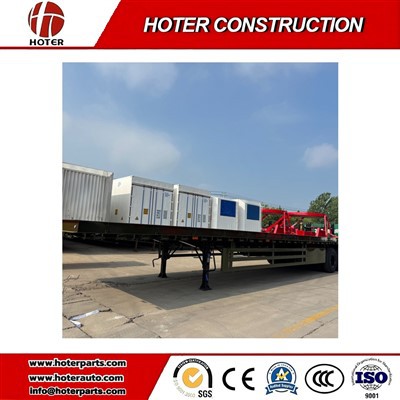

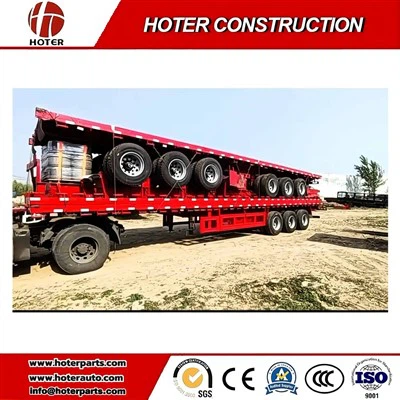
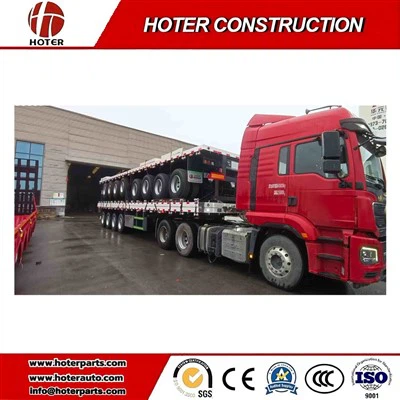

Flatbed Semi Trailer Specifications and Configurations
Flatbed semi trailers can be evaluated according to the following main configuration areas:
| Specification | Configuration Details |
|---|---|
| Trailer Type | Flatbed Semi Trailer |
| Platform Length | To be confirmed according to the selected model |
| Platform Width | To be confirmed according to the selected model |
| Rated Payload | Subject to the actual trailer design and applicable regulations |
| Axle Configuration | To be confirmed according to the selected model |
| Main Beam Structure | Subject to the actual chassis design |
| Suspension System | To be confirmed according to the available configuration |
| Braking System | To be confirmed according to the selected configuration |
| Tires and Wheels | Subject to the selected axle and tire specifications |
| Landing Gear | Subject to the selected trailer configuration |
Flatbed Semi Trailer Structure
The chassis and loading platform are important considerations when evaluating a flatbed semi trailer for commercial transportation.
The main frame supports the trailer structure, while the cross members help connect and support the platform. Platform dimensions, structural materials, and frame construction should be evaluated according to the intended cargo type and loading requirements.
For buyers transporting steel, construction materials, machinery, or other industrial goods, the trailer configuration should correspond to the cargo dimensions, weight distribution, and loading method.
Available Trailer Configurations
Different transportation requirements may call for different trailer configurations. The main items to evaluate include:
- Axle Configuration: Select the appropriate axle arrangement according to the required payload and applicable road regulations.
- Suspension System: Check the suspension configuration for the intended operating conditions.
- Braking System: Confirm the braking components and compatibility requirements.
- Tire Configuration: Match tire specifications to the selected axle and operating requirements.
- Landing Gear: Confirm the support-leg configuration and operating requirements.
- Platform Dimensions: Select the loading platform dimensions according to cargo size and transportation needs.
Actual availability and optional configurations should be confirmed against the selected trailer model.
Request a Flatbed Semi Trailer Quotation
For a quotation, provide your required trailer dimensions, payload capacity, axle configuration, intended cargo type, and destination market.
You can also send a reference trailer specification sheet or product drawing. This information helps establish the required configuration and identify the specifications that need to be confirmed before placing an order.