



Bogie
Bogie
A bogie is an assembly used beneath a railway vehicle to support the vehicle body and accommodate wheelsets and associated running components. Bogie selection depends on vehicle application, operating conditions, load requirements, and the required mechanical configuration.
When evaluating a bogie for a railway project, buyers should consider vehicle compatibility, track gauge, axle load, operating speed, wheel dimensions, suspension arrangement, and braking configuration.
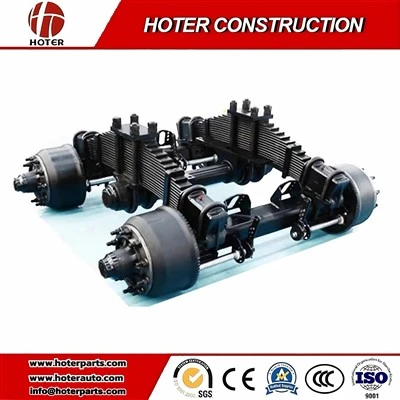
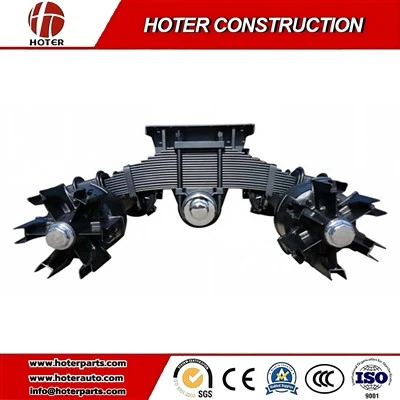


Bogie Applications
Bogie configurations are selected according to the railway vehicle type and its operating requirements. The applicable vehicle category and configuration should be confirmed against the specific project requirements.
- Passenger railway vehicles
- Freight railway vehicles
- Metro and urban rail vehicles
- Locomotives
- Light rail vehicles
Bogie Selection Parameters
The following technical factors should be reviewed when evaluating bogie requirements. Actual values depend on the vehicle design and project specifications.
| Parameter | Selection Considerations |
|---|---|
| Track Gauge | Compatible railway track gauge |
| Axle Load | Required load capacity per axle |
| Operating Speed | Vehicle operating speed requirements |
| Wheel Diameter | Required wheel diameter and dimensions |
| Wheelbase | Bogie wheelbase and wheelset arrangement |
| Suspension System | Primary and secondary suspension configuration |
| Braking System | Required braking arrangement |
| Bogie Weight | Specified assembly weight |
Bogie Configuration Requirements
Bogie configuration should be evaluated according to the vehicle structure, wheelset arrangement, suspension requirements, braking system, and intended operating conditions. Technical drawings and project specifications are important references during the selection process.
Request a Quotation
To discuss your bogie requirements, prepare the railway vehicle type, track gauge, axle load, operating speed, wheel dimensions, required configuration, and relevant technical drawings.
Submit your project requirements and technical documentation for further product and specification confirmation.