Leaf springs, a fundamental component in many vehicles, play a crucial role in the interaction between the vehicle's suspension system and its frame. As a leaf spring supplier, I've witnessed firsthand the significance of this interaction and the impact it has on vehicle performance. In this blog, we'll delve into how leaf springs interact with the vehicle's frame, exploring the mechanics, benefits, and considerations.

The Basics of Leaf Springs
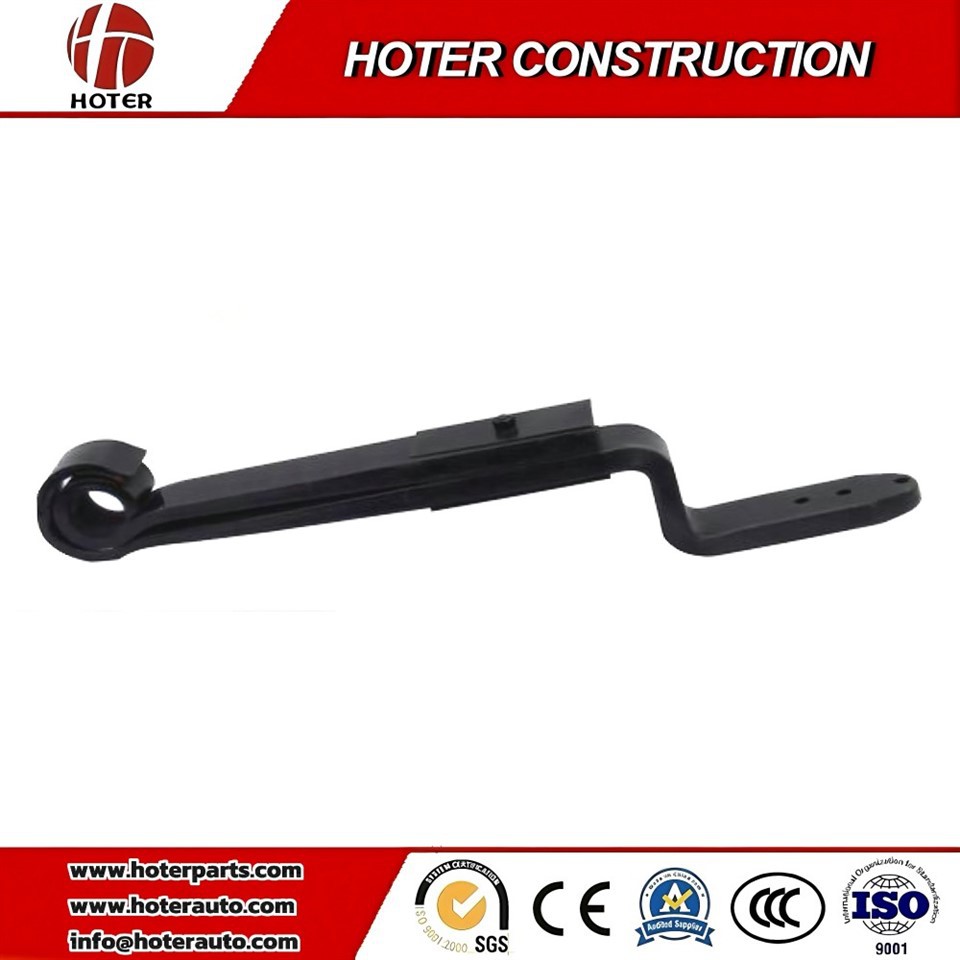
Leaf springs are made up of multiple layers of metal strips, or leaves, stacked on top of each other. These leaves are typically curved and attached to the vehicle's frame at one end and the axle at the other. The design allows the leaf spring to flex and absorb the shocks and vibrations encountered while driving.
When a vehicle encounters a bump or uneven surface, the leaf spring compresses, storing energy. As the vehicle moves past the bump, the leaf spring releases this energy, helping to maintain a smooth ride. This process is essential for providing stability, comfort, and control to the vehicle.
Interaction with the Vehicle's Frame
The interaction between leaf springs and the vehicle's frame is a complex yet well - orchestrated process. The leaf spring is attached to the frame using various mounting points, such as brackets and shackles. These mounting points are designed to securely hold the leaf spring in place while allowing it to move and flex as needed.
One of the primary functions of the leaf spring is to transfer the load from the vehicle's axle to the frame. When the vehicle is in motion, the weight of the vehicle, passengers, and cargo is distributed across the leaf springs. The leaf springs then transmit this load to the frame, ensuring that the vehicle remains balanced and stable.
The stiffness of the leaf spring also plays a crucial role in its interaction with the frame. A stiffer leaf spring can handle heavier loads but may result in a rougher ride. On the other hand, a softer leaf spring provides a smoother ride but may not be suitable for heavy - duty applications. As a leaf spring supplier, we offer a range of leaf springs with different stiffness levels to meet the diverse needs of our customers.
Types of Leaf Springs and Their Interaction with the Frame
There are several types of leaf springs, each with its own unique design and interaction with the vehicle's frame.
Semi - Elliptic Leaf Springs
Semi - elliptic leaf springs are the most common type of leaf spring. They are shaped like a semi - ellipse and are attached to the frame at one end and the axle at the other. This design allows for a relatively simple and effective way to transfer the load from the axle to the frame. The semi - elliptic leaf spring provides good stability and is suitable for a wide range of vehicles, from light - duty cars to heavy - duty trucks.
Multi - Leaf Springs
Multi - leaf springs consist of multiple layers of leaves, which are stacked on top of each other. The additional leaves increase the spring's load - carrying capacity and provide better shock absorption. Multi - leaf springs are commonly used in trucks and commercial vehicles, where heavy loads need to be carried. When a multi - leaf spring is compressed, the individual leaves slide against each other, distributing the load evenly across the spring and the frame.
Z - Type Leaf Spring
The Z - type leaf spring has a unique Z - shaped design. This design provides a more compact and efficient way to transfer the load from the axle to the frame. The Z - type leaf spring is often used in applications where space is limited, such as in some small - to - medium - sized vehicles. Its design allows for better articulation and flexibility, which can improve the vehicle's handling and ride quality.
Benefits of the Interaction
The interaction between leaf springs and the vehicle's frame offers several benefits.
Improved Ride Quality
By absorbing shocks and vibrations, leaf springs help to provide a smoother and more comfortable ride. This is especially important for long - distance driving, where a rough ride can cause fatigue and discomfort for the driver and passengers.
Enhanced Stability
Leaf springs help to distribute the vehicle's weight evenly across the frame, improving stability and handling. This is crucial for maintaining control of the vehicle, especially when driving at high speeds or on uneven surfaces.
Increased Load - Carrying Capacity
Leaf springs are designed to handle heavy loads. By transferring the load from the axle to the frame, they allow vehicles to carry more weight without compromising safety or performance. This makes leaf springs ideal for trucks, trailers, and other commercial vehicles.
Considerations for Leaf Spring Interaction
While leaf springs offer many benefits, there are also some considerations to keep in mind.
Wear and Tear
Over time, leaf springs can experience wear and tear, especially in harsh driving conditions. This can lead to reduced performance and even failure. Regular inspection and maintenance of the leaf springs are essential to ensure their proper functioning.
Compatibility
It's important to choose the right leaf springs for your vehicle. The leaf springs should be compatible with the vehicle's frame, axle, and suspension system. As a leaf spring supplier, we can provide expert advice on selecting the appropriate leaf springs for your specific vehicle and application.
Upgrades and Replacements
As vehicles age or their usage requirements change, it may be necessary to upgrade or replace the leaf springs. Aftermarket Leaf Springs offer a cost - effective way to improve the performance and load - carrying capacity of your vehicle. We offer a wide range of aftermarket leaf springs that are designed to meet or exceed the original equipment specifications.
Heavy - Duty Applications
In heavy - duty applications, such as Heavy Truck Leaf Springs, the interaction between leaf springs and the vehicle's frame becomes even more critical. Heavy trucks are often required to carry large loads over long distances, which puts significant stress on the leaf springs and the frame.
Heavy truck leaf springs are designed to be more robust and durable. They are typically made from high - strength steel and have a larger number of leaves to handle the increased load. The mounting points for heavy truck leaf springs are also designed to be stronger and more secure, ensuring that the load is transferred effectively from the axle to the frame.
Contact Us for Your Leaf Spring Needs
If you're in the market for leaf springs, whether for a light - duty car, a heavy - duty truck, or an aftermarket upgrade, we're here to help. Our team of experts can provide you with the right leaf springs for your specific needs and offer professional advice on installation and maintenance.
Don't hesitate to reach out to us for a consultation. We look forward to working with you to ensure that your vehicle's suspension system performs at its best.
References
- Milliken, W. F., & Milliken, D. L. (1995). Race Car Vehicle Dynamics. Society of Automotive Engineers.
- Gillespie, T. D. (1992). Fundamentals of Vehicle Dynamics. Society of Automotive Engineers.