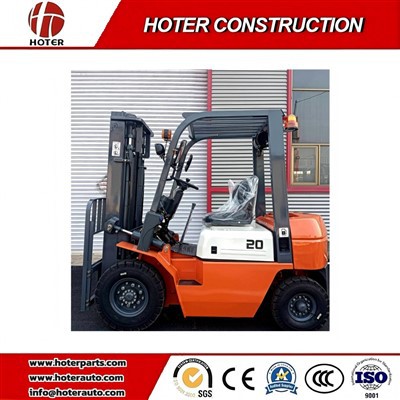
As a supplier of electric forklifts, I've had the privilege of working closely with these remarkable machines and witnessing their widespread use across various industries. Electric forklifts offer numerous advantages, including lower emissions, reduced noise levels, and cost - effectiveness over time. However, like any complex piece of equipment, they are not without their challenges. In this blog, I'll delve into some of the common problems that users may encounter with electric forklifts.
Battery - Related Issues
One of the most significant components of an electric forklift is its battery. Batteries are the heart of these machines, providing the power needed to operate. Unfortunately, they can also be a source of several problems.


Short Battery Life
A common complaint is short battery life. This can be caused by a variety of factors. Firstly, improper charging practices can take a toll on the battery. Overcharging or undercharging can lead to a reduced battery capacity over time. For example, if a battery is constantly left on the charger for extended periods after it's fully charged, it can cause overheating and damage to the battery cells.
Another factor is the age of the battery. As batteries get older, their ability to hold a charge diminishes. Typically, after a few years of use, you may notice that the forklift can no longer operate for as long as it used to on a single charge. This is a natural part of the battery's lifecycle, but it can still be a significant inconvenience for operators.
Battery Leakage
Battery leakage is another serious issue. Leaking batteries can be dangerous, as the acid or electrolyte inside can cause damage to the forklift's components and pose a safety risk to operators. Leakage can occur due to physical damage to the battery, such as cracks or punctures. It can also be a result of overcharging, which can cause the battery to produce excessive gas and lead to leaks.
Slow Charging
Slow charging times can also be a problem. This can be due to a faulty charger or issues with the electrical supply. If the charger is not providing the correct voltage or amperage, it will take longer to charge the battery. Additionally, if the electrical supply at the charging station is unstable, it can also slow down the charging process.
Electrical System Failures
The electrical system of an electric forklift is complex, and failures in this system can lead to a variety of problems.
Faulty Wiring
Faulty wiring is a common culprit. Over time, the wiring in a forklift can become frayed or damaged due to regular use, vibration, or exposure to harsh environments. This can lead to short circuits, which can cause the forklift to malfunction or even pose a fire hazard. Inspecting the wiring regularly is crucial to prevent these issues.
Sensor Malfunctions
Electric forklifts are equipped with various sensors that monitor different aspects of the machine's operation, such as speed, load weight, and battery status. Sensor malfunctions can lead to inaccurate readings, which can in turn cause the forklift to operate in an unsafe or inefficient manner. For example, a malfunctioning speed sensor may cause the forklift to accelerate or decelerate unexpectedly.
Controller Problems
The controller is responsible for regulating the power flow from the battery to the motor. If the controller fails, the forklift may not operate properly. Controller problems can be caused by a variety of factors, including overheating, electrical surges, or software glitches.
Hydraulic System Problems
The hydraulic system is essential for the operation of the forklift's lifting mechanism. However, it can also experience several issues.
Fluid Leaks
Hydraulic fluid leaks are a common problem. Leaks can occur due to damaged hoses, seals, or fittings. Not only can fluid leaks lead to a loss of hydraulic power, but they can also create a safety hazard as the leaked fluid can make the floor slippery.
Pump Failures
The hydraulic pump is responsible for generating the pressure needed to lift the load. Pump failures can be caused by wear and tear, contamination of the hydraulic fluid, or improper maintenance. A failed pump can result in the forklift's inability to lift or lower loads.
Overheating
The hydraulic system can overheat, especially if the forklift is used for extended periods or under heavy loads. Overheating can cause the hydraulic fluid to break down, which can lead to reduced performance and damage to the system components.
Mechanical Wear and Tear
Like any mechanical device, electric forklifts are subject to wear and tear over time.
Tire Wear
Tires are one of the most frequently replaced parts on a forklift. Constant use on rough surfaces can cause the tires to wear out quickly. Worn - out tires can affect the forklift's stability and maneuverability, increasing the risk of accidents.
Fork and Mast Wear
The forks and mast of the forklift are also prone to wear. The forks are used to lift and carry heavy loads, and over time, they can become bent or damaged. The mast, which is responsible for raising and lowering the forks, can also experience wear and tear on its moving parts.
Operator - Related Issues
Sometimes, the problems with electric forklifts can be traced back to the operators.
Improper Operation
Operators who are not properly trained may operate the forklift in an improper manner. For example, they may overload the forklift, which can put excessive stress on the battery, electrical system, and hydraulic system. They may also drive the forklift too fast or make sudden stops and starts, which can cause damage to the machine.
Lack of Maintenance Awareness
Operators may not be aware of the importance of regular maintenance. They may neglect to perform simple tasks such as checking the battery water level, inspecting the tires, or lubricating the moving parts. This lack of maintenance can lead to premature wear and tear and increase the likelihood of breakdowns.
Solutions and Mitigations
While these problems can be frustrating, there are several solutions and mitigations that can help address them.
Battery Management
To extend battery life, it's important to follow proper charging practices. This includes avoiding overcharging and undercharging, and using a high - quality charger. Regularly checking the battery water level (for lead - acid batteries) and keeping the battery clean can also help prolong its lifespan.
Electrical System Maintenance
Regular inspections of the wiring, sensors, and controller can help detect and address potential problems before they become serious. It's also important to use high - quality electrical components and follow the manufacturer's recommendations for maintenance.
Hydraulic System Care
To prevent hydraulic system problems, it's essential to check for fluid leaks regularly and replace any damaged hoses, seals, or fittings. Changing the hydraulic fluid at the recommended intervals can also help keep the system in good working condition.
Operator Training
Providing comprehensive training to operators is crucial. Training should cover proper operation techniques, safety procedures, and maintenance awareness. This can help reduce the likelihood of operator - related problems and ensure the safe and efficient operation of the forklift.
Conclusion
Electric forklifts are a valuable asset in many industries, but they do come with their share of common problems. As a supplier, I understand the importance of helping our customers address these issues. By being aware of the potential problems and taking proactive measures to prevent and mitigate them, users can ensure the long - term reliability and performance of their electric forklifts.
If you're in the market for an electric forklift, we offer a wide range of high - quality options, including the 2 Ton Electric Forklift. Our team is always ready to assist you with any questions you may have and help you find the perfect forklift for your needs. Whether you're a small business or a large industrial operation, we can provide the right solution. Contact us today to start a conversation about your forklift requirements and let's work together to find the best fit for your business.
References
- "Forklift Operator's Manual" - Various manufacturers
- "Electric Forklift Maintenance Guide" - Industry publications