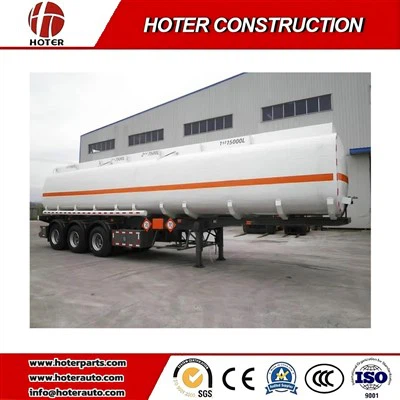
As a seasoned supplier of fuel tank trailers, I've witnessed firsthand the diverse challenges that these essential pieces of equipment can encounter. In this blog, I'll delve into the common problems associated with fuel tank trailers, offering insights based on my years of experience in the industry.
Leakage Issues
One of the most prevalent problems with fuel tank trailers is leakage. Fuel leaks can occur due to various reasons, including corrosion, damaged seals, or improper installation. Corrosion is a major culprit, especially in areas where the trailer is exposed to harsh environmental conditions. Over time, the metal of the tank can rust, creating small holes through which fuel can seep. Damaged seals, such as those around the tank hatches or valves, can also lead to leaks. If the seals are worn out or not properly tightened, fuel can escape.
To prevent leakage, regular inspections are crucial. Inspect the tank for signs of corrosion, such as rust spots or discoloration. Check the seals for any signs of damage or wear, and replace them if necessary. Additionally, ensure that all connections are properly tightened and that the tank is installed correctly.
Structural Damage
Another common problem is structural damage to the trailer. This can be caused by a variety of factors, including collisions, rough terrain, or overloading. Collisions can cause dents, cracks, or other damage to the tank and the trailer frame. Rough terrain can put stress on the trailer, leading to structural fatigue over time. Overloading the trailer can also cause damage, as it puts excessive weight on the frame and axles.
To prevent structural damage, it's important to operate the trailer within its specified weight limits. Avoid driving on rough or uneven terrain whenever possible, and take extra care when navigating through tight spaces. Regularly inspect the trailer for signs of damage, such as cracks or dents, and have any issues repaired immediately.
Valve and Pump Malfunctions
Valves and pumps are critical components of fuel tank trailers, and malfunctions can lead to serious problems. Valves can become stuck or fail to open or close properly, which can prevent fuel from flowing in or out of the tank. Pumps can also malfunction, resulting in reduced fuel flow or complete failure.
Regular maintenance is essential to prevent valve and pump malfunctions. Inspect the valves and pumps regularly for signs of wear or damage, and replace any faulty components. Ensure that the valves are properly lubricated and that the pumps are operating at the correct pressure.
Contamination
Fuel contamination is another significant issue that can affect fuel tank trailers. Contamination can occur due to a variety of factors, including dirt, water, or other foreign substances. Dirt and debris can enter the tank through the filler neck or ventilation system, while water can accumulate in the tank due to condensation or leaks.
To prevent contamination, it's important to keep the tank clean and dry. Use a high-quality fuel filter to remove any dirt or debris from the fuel before it enters the tank. Regularly drain any water that accumulates in the tank, and ensure that the tank is properly sealed to prevent the entry of foreign substances.
Electrical Problems
Fuel tank trailers often rely on electrical systems to operate various components, such as lights, sensors, and pumps. Electrical problems can occur due to a variety of factors, including loose connections, damaged wiring, or faulty components.
To prevent electrical problems, it's important to regularly inspect the electrical system for signs of damage or wear. Check the connections for tightness, and replace any damaged wiring or components. Ensure that the electrical system is properly grounded to prevent electrical shocks.
Regulatory Compliance
Fuel tank trailers are subject to a variety of regulations and standards, which are designed to ensure the safety and environmental compliance of the equipment. Failure to comply with these regulations can result in fines, penalties, or even the suspension of the trailer's operation.
To ensure regulatory compliance, it's important to stay up-to-date on the latest regulations and standards. Regularly inspect the trailer to ensure that it meets all the necessary requirements, and have any issues addressed immediately.
Solutions and Recommendations
While these problems can be challenging, there are several solutions and recommendations that can help mitigate them. Here are some tips to keep your fuel tank trailer in good condition:
- Regular Maintenance: Establish a regular maintenance schedule for your fuel tank trailer. This should include inspections, lubrication, and replacement of worn or damaged components.
- Proper Storage: Store the trailer in a dry, protected area when not in use. This can help prevent corrosion and other damage.
- Training: Ensure that all operators are properly trained on the safe operation and maintenance of the fuel tank trailer. This can help prevent accidents and ensure the longevity of the equipment.
- Use High-Quality Components: Invest in high-quality components for your fuel tank trailer. This can help prevent malfunctions and reduce the risk of problems.
- Monitor Fuel Quality: Regularly monitor the quality of the fuel in the tank. This can help detect any contamination or other issues early on.
Conclusion
In conclusion, fuel tank trailers can encounter a variety of problems, including leakage, structural damage, valve and pump malfunctions, contamination, electrical problems, and regulatory compliance issues. However, by taking proactive measures to prevent these problems, such as regular maintenance, proper storage, and training, you can ensure the safe and efficient operation of your fuel tank trailer.
If you're in the market for a fuel tank trailer, we offer a wide range of high-quality options, including the 3 Axle Fuel Tank Trailer and the 45cbm Tanker Trailer. Our trailers are designed to meet the highest standards of safety and performance, and we're committed to providing our customers with the best possible service.


If you have any questions or would like to discuss your specific needs, please don't hesitate to contact us. We're here to help you find the perfect fuel tank trailer for your business.
References
- "Fuel Tank Trailer Maintenance Guide," Industry Standards Association.
- "Safety Regulations for Fuel Tank Trailers," Department of Transportation.
- "Best Practices for Fuel Tank Trailer Operation," National Trailer Manufacturers Association.