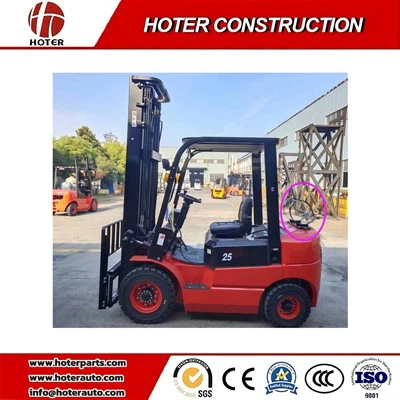
Hey there! As a supplier of LPG forklifts, I often get asked about the exhaust emission standards for these machines. So, I thought I'd take a few minutes to break it down for you.
First off, let's talk about what LPG stands for. LPG is short for liquefied petroleum gas, which is a clean-burning fossil fuel. It's a popular choice for forklifts because it's relatively inexpensive, readily available, and produces fewer emissions compared to gasoline or diesel.
Now, when it comes to exhaust emission standards for LPG forklifts, they vary depending on the country or region where the forklift is being used. In the United States, for example, the Environmental Protection Agency (EPA) sets the standards for emissions from non-road engines, including forklifts. The EPA has established different tiers of emissions standards, with each tier becoming more stringent over time.
As of now, the latest tier for non-road engines is Tier 4 Final. This standard requires significant reductions in particulate matter (PM) and nitrogen oxides (NOx) emissions compared to previous tiers. LPG forklifts that meet Tier 4 Final standards are designed with advanced emission control technologies, such as catalytic converters and diesel particulate filters (DPFs), to reduce harmful pollutants.
In Europe, the European Union (EU) has its own set of emissions standards for non-road mobile machinery, including forklifts. The current standard is Stage V, which also aims to reduce PM and NOx emissions. Similar to the EPA's Tier 4 Final, LPG forklifts that meet Stage V standards are equipped with advanced emission control systems.


So, why are these emissions standards so important? Well, for starters, they help to protect the environment by reducing air pollution. Forklifts are often used in indoor settings, such as warehouses and factories, where poor air quality can have a significant impact on the health of workers. By using LPG forklifts that meet the latest emissions standards, you can help to create a safer and healthier work environment.
In addition to environmental and health benefits, using LPG forklifts that meet emissions standards can also save you money in the long run. Many countries and regions offer incentives, such as tax credits or rebates, for businesses that use low-emission vehicles and equipment. Plus, with the advancements in emission control technologies, LPG forklifts are now more fuel-efficient than ever, which can help to reduce your operating costs.
Now, let's talk about how you can ensure that the LPG forklifts you purchase meet the necessary emissions standards. When you're shopping for a forklift, it's important to look for models that are certified to meet the relevant emissions standards in your country or region. You can usually find this information in the product specifications or on the manufacturer's website.
As a supplier, I always make sure that the LPG forklifts we offer are compliant with the latest emissions standards. We work closely with our manufacturers to ensure that their products meet or exceed the requirements set by the EPA, EU, and other regulatory bodies. So, when you buy an LPG forklift from us, you can rest assured that you're getting a high-quality, environmentally friendly machine.
If you're interested in learning more about our LPG Powered Forklift, just click on the link. It's got all the nitty-gritty details you need.
In conclusion, understanding the exhaust emission standards for LPG forklifts is crucial for any business that uses these machines. By choosing LPG forklifts that meet the latest standards, you can help to protect the environment, improve the health and safety of your workers, and save money on operating costs.
If you're in the market for an LPG forklift or have any questions about our products and services, don't hesitate to reach out. We're here to help you find the perfect forklift for your needs. So, drop us a line, and let's start this conversation! Let's work together to find the best LPG forklift for your business.
References
- Environmental Protection Agency (EPA). (2023). Non-Road Engine and Vehicle Emissions Standards.
- European Union. (2023). Stage V Emission Standards for Non-Road Mobile Machinery.