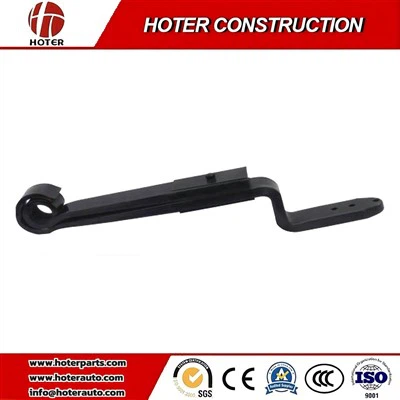
Hey there! As a leaf spring supplier, I've been getting a lot of questions lately about how to increase the load capacity of a leaf spring. So, I thought I'd share some insights and tips based on my experience in the industry.
First off, let's understand what a leaf spring is and how it works. A leaf spring is a simple yet effective suspension component that consists of several layers of metal strips, called leaves, stacked on top of each other. These leaves are curved and attached to the vehicle's frame and axle. When the vehicle encounters bumps or loads, the leaf spring flexes, absorbing the shock and providing a smoother ride.
Now, let's get into the nitty-gritty of increasing the load capacity of a leaf spring. There are several factors to consider, but I'll break them down into a few key areas:
1. Material Selection
The material of the leaf spring plays a crucial role in determining its load capacity. High-strength steel alloys are commonly used because they offer excellent strength and durability. Look for materials with high tensile strength and good fatigue resistance. Additionally, some advanced materials, such as composite materials, are also being used in modern leaf springs to reduce weight while maintaining high load capacity.
2. Leaf Design
The design of the leaves themselves can have a significant impact on the load capacity. The number of leaves, their thickness, and their shape all contribute to the spring's performance. Generally, adding more leaves or increasing the thickness of the leaves can increase the load capacity. However, it's important to find the right balance, as too many leaves or overly thick leaves can make the spring too stiff and affect the ride quality.
3. Leaf Configuration
The way the leaves are stacked and arranged also matters. There are different types of leaf spring configurations, such as parallel, tapered, and Z-Type Leaf Spring. Each configuration has its own advantages and disadvantages in terms of load capacity and flexibility. For example, a Z-Type Leaf Spring can provide better stability and load distribution, which can increase the overall load capacity.


4. Heat Treatment
Heat treatment is a critical process that can enhance the strength and durability of the leaf spring. By subjecting the leaves to specific heat treatment processes, such as quenching and tempering, the material's properties can be improved. This can increase the spring's ability to withstand higher loads without permanent deformation.
5. Maintenance and Inspection
Regular maintenance and inspection are essential to ensure the leaf spring's optimal performance and load capacity. Check for signs of wear, damage, or corrosion regularly. Replace any worn or damaged leaves promptly to prevent further issues. Additionally, lubricating the spring can reduce friction and extend its lifespan.
6. Application-Specific Considerations
The load capacity requirements can vary depending on the application. For example, Tractor Trailer Leaf Springs need to be able to handle heavy loads over long distances, while leaf springs for smaller vehicles may have different requirements. Make sure to consider the specific application and choose the appropriate leaf spring design and material accordingly.
7. Upgrading and Customization
If you need to increase the load capacity of an existing leaf spring, upgrading or customizing it may be an option. This could involve adding additional leaves, using stronger materials, or modifying the leaf configuration. However, it's important to work with a professional to ensure that the modifications are done correctly and safely.
8. Testing and Validation
Before implementing any changes to increase the load capacity, it's crucial to conduct thorough testing and validation. This can involve using specialized equipment to measure the spring's performance under different loads and conditions. By testing the spring, you can ensure that it meets the required load capacity and safety standards.
9. Consideration of Other Suspension Components
The leaf spring is just one part of the vehicle's suspension system. Other components, such as shock absorbers and sway bars, also play a role in the overall load capacity and performance. Make sure to consider the interaction between these components and ensure that they are all properly matched and functioning together.
10. Professional Advice
If you're unsure about how to increase the load capacity of a leaf spring or need more specific advice, don't hesitate to consult with a professional. As a leaf spring supplier, I'm always happy to help and provide guidance based on your specific needs.
In conclusion, increasing the load capacity of a leaf spring requires a combination of factors, including material selection, leaf design, configuration, heat treatment, maintenance, and application-specific considerations. By carefully considering these factors and making the necessary adjustments, you can ensure that your leaf spring can handle the loads you need it to.
If you're in the market for high-quality leaf springs or need help with increasing the load capacity of your existing springs, feel free to reach out. We offer a wide range of leaf springs, including Germany Suspension Leaf Spring, and our team of experts can provide you with the support and guidance you need. Contact us today to start the conversation and explore your options.
References:
- "Automotive Suspension Systems" by John C. Dixon
- "Materials Science and Engineering: An Introduction" by William D. Callister Jr.
- Industry standards and guidelines for leaf spring design and testing