Hey there! As a supplier of German suspension components, I get asked a lot about the weight of these parts. It's a crucial factor, especially when it comes to vehicle performance, fuel efficiency, and overall handling. So, let's dive right into it and explore what the weight of German suspension components really means.
Why Weight Matters in Suspension Components
First off, why does the weight of suspension components even matter? Well, it has a direct impact on several key aspects of a vehicle. For starters, a lighter suspension can improve a vehicle's acceleration. When there's less weight to move, the engine doesn't have to work as hard to get the vehicle up to speed. This can lead to better fuel efficiency, which is a big deal these days with rising fuel costs.
On the other hand, the weight of suspension components also affects a vehicle's handling. A well - balanced suspension with the right weight distribution can provide better stability, especially when cornering or driving on rough roads. This is because the suspension needs to support the weight of the vehicle and absorb shocks effectively. If the components are too heavy or too light, it can throw off the balance and compromise the driving experience.
Factors Affecting the Weight of German Suspension Components
There are several factors that can influence the weight of German suspension components. One of the main factors is the material used. German suspension manufacturers are known for using high - quality materials such as steel, aluminum, and composite materials.
Steel is a common choice because it's strong and durable. However, it's also relatively heavy. Steel suspension components can provide excellent support for heavy - duty vehicles, but they may not be the best option if you're looking for a lightweight solution.
Aluminum, on the other hand, is much lighter than steel. It offers a good balance between strength and weight, making it a popular choice for many German suspension systems. Aluminum components can help reduce the overall weight of the vehicle, improving performance and fuel efficiency.
Composite materials are also becoming more popular in the automotive industry. These materials are often made from a combination of fibers and resins, and they can be designed to have specific properties. Composite suspension components can be very lightweight while still maintaining high strength, but they can also be more expensive.
Another factor that affects the weight of suspension components is the design. German engineers are known for their innovative designs that optimize the performance and weight of suspension systems. For example, some suspension components are designed with hollow sections or intricate shapes to reduce weight without sacrificing strength.
Typical Weight Ranges of German Suspension Components
Now, let's talk about some typical weight ranges for German suspension components. Keep in mind that these are just general estimates, and the actual weight can vary depending on the specific component, vehicle type, and manufacturer.
For a basic shock absorber, the weight can range from around 2 to 5 kilograms (4.4 to 11 pounds). This is a relatively small component, but it plays a crucial role in the suspension system by absorbing shocks and vibrations.
A coil spring, which is used to support the weight of the vehicle and provide a smooth ride, can weigh anywhere from 5 to 15 kilograms (11 to 33 pounds). The weight of the coil spring depends on its size, stiffness, and the vehicle it's designed for.
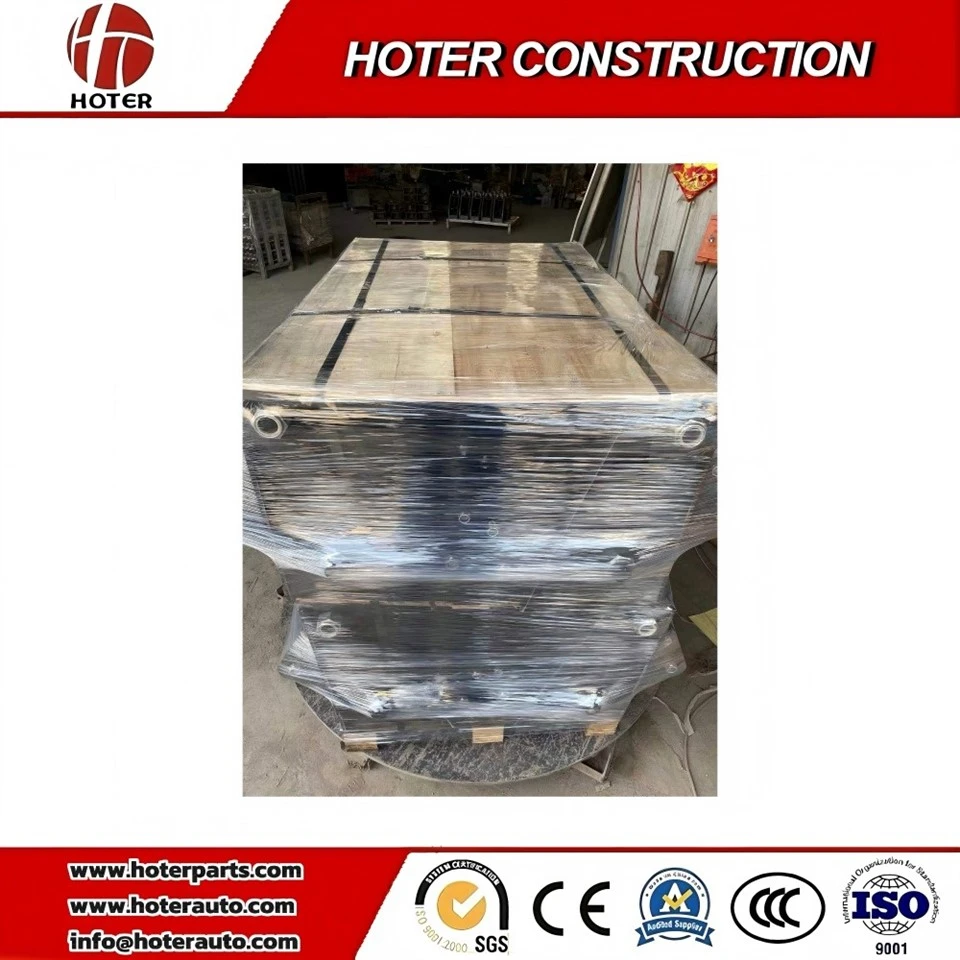
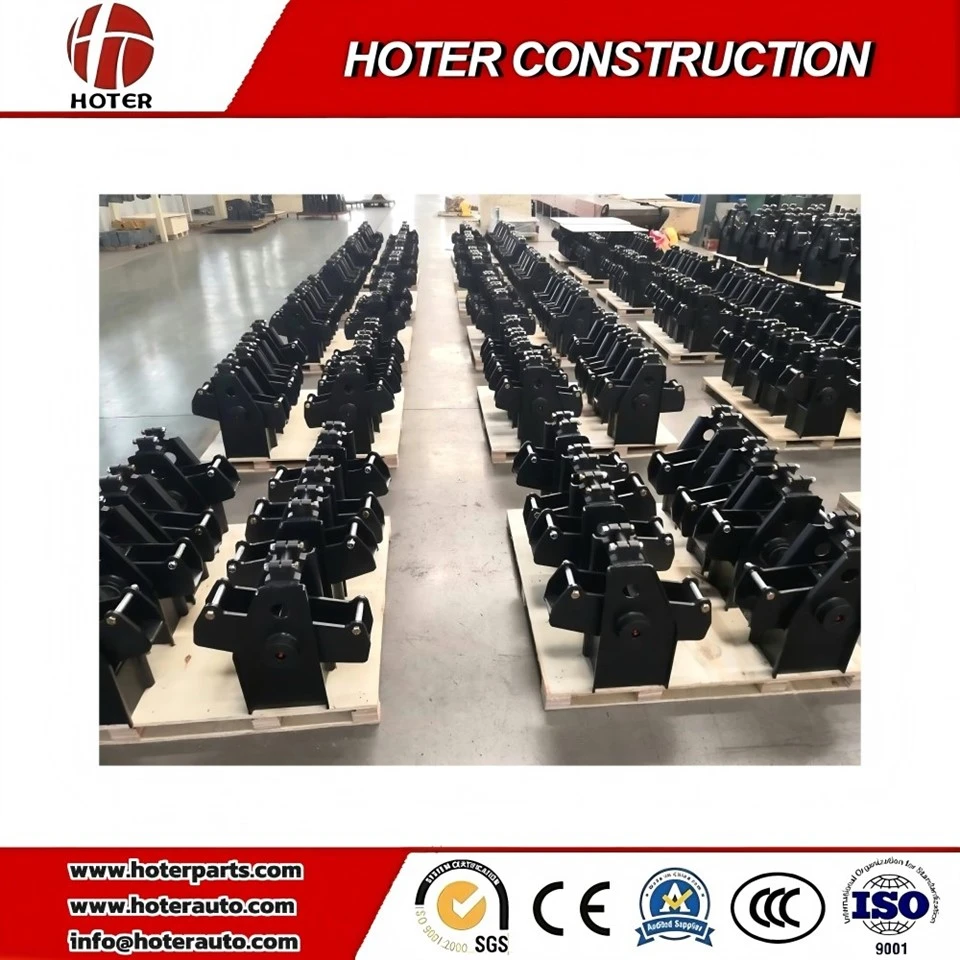
Control arms, which connect the wheels to the vehicle's frame, can weigh between 3 and 8 kilograms (6.6 to 17.6 pounds) each. These components are important for maintaining the proper alignment of the wheels and ensuring smooth steering.
When it comes to larger suspension assemblies, such as the 2 Axle German Type Suspension Assembly, the weight can be significantly higher. These assemblies can weigh anywhere from 100 to 300 kilograms (220 to 660 pounds), depending on their design and the capacity they're built to handle.
The Heavy Duty German Style Suspension is even more massive. Designed for heavy - duty vehicles like trucks and buses, these suspensions can weigh over 500 kilograms (1100 pounds) due to their robust construction and high - load capacity.
How to Choose the Right Weight for Your Vehicle
So, how do you choose the right weight of suspension components for your vehicle? It really depends on your specific needs and the type of vehicle you have.
If you're driving a small, lightweight car, you might want to opt for lighter suspension components to improve performance and fuel efficiency. Aluminum or composite materials could be a good choice in this case.
On the other hand, if you have a heavy - duty vehicle like a truck or a bus, you'll need suspension components that can handle the weight. Steel components are often the best option for these types of vehicles because of their strength and durability.
It's also important to consider the driving conditions. If you frequently drive on rough roads or off - road, you'll need a suspension that can withstand the extra stress. A heavier, more robust suspension might be necessary in this situation.
The Impact of Weight on Cost
The weight of suspension components can also have an impact on the cost. Generally, lighter materials like aluminum and composite materials are more expensive than steel. This is because they are often more difficult to manufacture and require more advanced technology.
However, it's important to look at the long - term benefits. A lighter suspension can lead to better fuel efficiency, which can save you money in the long run. It can also improve the performance and handling of your vehicle, which can enhance your driving experience.
Conclusion and Call to Action
In conclusion, the weight of German suspension components is a critical factor that affects vehicle performance, fuel efficiency, handling, and cost. German suspension manufacturers use a variety of materials and innovative designs to optimize the weight and performance of their products.
If you're in the market for German suspension components, whether it's for a small car or a heavy - duty vehicle, I'd love to help. We have a wide range of products to meet your needs, and we can provide expert advice on choosing the right components for your vehicle. Don't hesitate to reach out to us for more information and to start a procurement discussion.
References
- Automotive Engineering Handbook
- German Suspension Manufacturing Industry Reports