As a semi-trailer supplier, I've witnessed firsthand the dynamic shifts in the semi-trailer market. Understanding these market trends is crucial for both suppliers like us and potential buyers. In this blog, I'll delve into the current market trends for semi-trailers, exploring factors that influence demand, technological advancements, and emerging customer preferences.
1. Economic Factors and Global Trade
The semi-trailer market is closely tied to the health of the global economy and international trade. Economic growth often leads to increased demand for goods, which in turn drives the need for efficient transportation. As countries engage in more trade, the demand for semi-trailers to move products across borders rises. For example, the growth of e-commerce has significantly impacted the logistics industry. With more consumers shopping online, there is a greater need for last-mile delivery, which often involves semi-trailers.
In recent years, the global supply chain has faced various challenges, such as trade disputes and the COVID - 19 pandemic. These events have disrupted the flow of goods and affected the semi-trailer market. However, as the world recovers from these setbacks, the demand for semi-trailers is expected to rebound. For instance, the resumption of manufacturing activities and the reopening of international trade routes are likely to increase the demand for semi-trailers to transport raw materials and finished products.
2. Technological Advancements
Technology is revolutionizing the semi-trailer industry. One of the most significant trends is the integration of telematics systems. These systems allow for real - time monitoring of the trailer's location, speed, and other vital parameters. Fleet managers can use this data to optimize routes, improve fuel efficiency, and enhance overall operational efficiency. For example, by analyzing the data collected from telematics, companies can identify areas where drivers can improve their driving habits to save fuel.
Another technological advancement is the development of lightweight materials. Using materials such as aluminum and high - strength steel, semi - trailers can be made lighter without sacrificing strength. A lighter trailer means better fuel efficiency, as it requires less energy to move. This not only reduces operating costs for the end - user but also has environmental benefits by reducing carbon emissions.
Autonomous driving technology is also making its way into the semi - trailer market. Although fully autonomous semi - trailers are not yet widespread, there are already some features such as adaptive cruise control and lane - keeping assist. These technologies enhance safety on the road by reducing the risk of human error.
3. Environmental Concerns
Increasing environmental awareness has led to a growing demand for more sustainable semi - trailers. Governments around the world are implementing stricter emissions regulations, which is driving the development of eco - friendly semi - trailers. For example, some manufacturers are developing electric semi - trailers. These trailers produce zero emissions during operation, making them an attractive option for companies looking to reduce their carbon footprint.
In addition to electric trailers, there is also a trend towards improving the fuel efficiency of traditional diesel - powered semi - trailers. This can be achieved through better aerodynamics, lighter materials, and more efficient engines. By reducing fuel consumption, companies can not only save money but also contribute to a greener environment.
4. Customer Preferences
Customers are becoming more demanding when it comes to semi - trailers. They are looking for trailers that are not only reliable and durable but also customizable. For example, many customers require trailers with specific features such as adjustable axles, different types of loading ramps, or specialized storage compartments.
Another customer preference is for trailers that are easy to maintain. This means that trailers should be designed with accessible components and have a long service life. Customers also value trailers that come with good after - sales support, including maintenance and repair services.
5. Product - Specific Trends
Low Bed Trailers
Low bed trailers are designed to transport heavy and oversized loads. The demand for 4 Axle Low Bed Trailer is on the rise, especially in industries such as construction, mining, and heavy equipment transportation. These trailers offer a low center of gravity, which provides better stability when carrying heavy loads. The 4 - axle configuration allows for a higher load capacity, making them suitable for transporting large machinery and construction materials.
Flatbed Semi Trailers
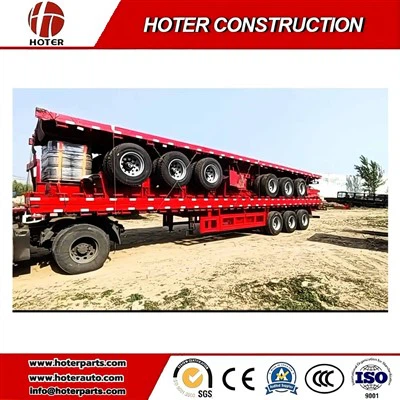
Flatbed semi - trailers are versatile and widely used in the transportation industry. The 40ft Flatbed Semi Trailer is a popular choice for transporting a variety of goods, including building materials, steel products, and agricultural equipment. Their open - top design allows for easy loading and unloading, and they can be customized with different types of tie - down systems to secure the cargo.


Skeleton Trailers
Skeleton trailers are specifically designed for transporting shipping containers. The 40ft Skeleton Trailer is a common option for container transportation. These trailers are lightweight and have a simple structure, which makes them efficient for moving containers between ports, warehouses, and distribution centers.
6. Market Competition
The semi - trailer market is highly competitive, with many suppliers vying for market share. To stay ahead, suppliers need to continuously innovate and improve their products. This includes investing in research and development to introduce new features and technologies, as well as providing excellent customer service.
In addition to product innovation, suppliers also need to focus on cost - effectiveness. By optimizing production processes and sourcing materials at competitive prices, suppliers can offer high - quality semi - trailers at competitive prices. This is essential for attracting customers in a crowded market.
7. Future Outlook
Looking ahead, the semi - trailer market is expected to continue to grow. The increasing demand for goods, advancements in technology, and the push for sustainability will drive the market forward. However, suppliers will also face challenges such as rising raw material costs, stricter regulations, and intense competition.
To succeed in the future, semi - trailer suppliers need to be adaptable and responsive to market changes. They should invest in research and development to stay at the forefront of technological advancements, and focus on providing high - quality, sustainable products that meet the evolving needs of customers.
Conclusion
As a semi - trailer supplier, I am excited about the future of the industry. The market trends present both opportunities and challenges, but by understanding these trends and adapting to them, we can continue to provide our customers with the best semi - trailers. If you are in the market for a semi - trailer, I encourage you to reach out to us for a detailed discussion. We can help you find the right trailer that meets your specific needs and budget. Whether you need a low bed trailer, a flatbed semi - trailer, or a skeleton trailer, we have the expertise and products to serve you.
References
- "Global Semi - Trailer Market Report 2023", Market Research Firm XYZ
- "Technological Trends in the Transportation Industry", Journal of Logistics and Supply Chain Management
- "Environmental Regulations and the Semi - Trailer Market", International Journal of Sustainable Transportation