Dealing with a flat tire on a semi-trailer can be a daunting experience, especially when you're on the road. As a semi-trailer supplier, I've seen firsthand the challenges that drivers face when they encounter this issue. In this blog, I'll share some practical tips on how to handle a flat tire on a semi-trailer effectively.
Recognizing a Flat Tire
The first step in dealing with a flat tire is to recognize the signs. When a semi-trailer tire goes flat, you may notice a sudden change in the vehicle's handling. The steering may become more difficult, and the trailer may pull to one side. You might also hear a thumping or flapping noise, which indicates that the tire is not properly inflated. Additionally, a dashboard warning light may illuminate if your semi-trailer is equipped with a tire pressure monitoring system (TPMS).
Safety First
Once you suspect a flat tire, the most important thing is to ensure your safety and the safety of other road users. Immediately turn on your hazard lights to alert other drivers. If possible, move your semi-trailer to a safe location, such as the shoulder of the road or a rest area. Make sure you are far enough away from traffic to avoid any potential collisions.
Gather the Necessary Tools
Before you start working on the flat tire, gather all the tools you'll need. These typically include a jack, a lug wrench, a wheel chock, and a spare tire. Make sure the spare tire is properly inflated and in good condition. If you don't have a spare tire or the necessary tools, you may need to call for roadside assistance.
Chock the Wheels
To prevent the semi-trailer from rolling while you're changing the tire, place wheel chocks in front of and behind the wheels on the opposite side of the flat tire. This will provide additional stability and ensure your safety.
Loosen the Lug Nuts
Using the lug wrench, loosen the lug nuts on the flat tire. Do not remove them completely at this stage. Loosening the lug nuts before jacking up the trailer will make it easier to remove them later.


Jack Up the Trailer
Position the jack under the designated lifting point on the semi-trailer. Make sure the jack is stable and properly aligned. Slowly raise the trailer until the flat tire is off the ground. Be careful not to overextend the jack, as this can cause the trailer to become unstable.
Remove the Flat Tire
Once the trailer is jacked up, remove the lug nuts completely and carefully take off the flat tire. Place the flat tire on the ground in a safe location.
Install the Spare Tire
Align the spare tire with the wheel hub and install the lug nuts by hand. Tighten the lug nuts as much as possible, but do not fully tighten them yet.
Lower the Trailer
Slowly lower the trailer using the jack until the spare tire touches the ground. Once the trailer is back on the ground, use the lug wrench to fully tighten the lug nuts in a star pattern. This will ensure that the tire is properly secured.
Check the Tire Pressure
After changing the tire, check the pressure of the spare tire using a tire pressure gauge. Make sure the tire is inflated to the recommended pressure, which can usually be found on the tire sidewall or in the vehicle's owner's manual.
Inspect the Flat Tire
Once you've safely changed the tire, take a moment to inspect the flat tire. Look for any signs of damage, such as cuts, punctures, or bulges. If the tire is severely damaged, it may need to be replaced. You can also consider having the flat tire repaired by a professional if the damage is minor.
Considerations for Different Types of Semi-Trailers
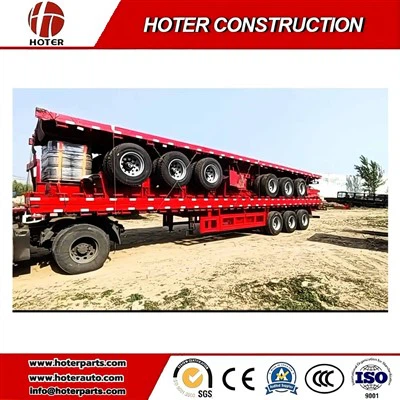
Different types of semi-trailers may have specific requirements when it comes to changing a flat tire. For example, a 3 Axle Skeleton Trailer may have a different lifting point or require a different type of jack. It's important to familiarize yourself with the specific requirements of your semi-trailer before attempting to change a tire.
Similarly, a 20ft Skeletal Trailer or a Container Flatbed Semi Trailer may have unique features that need to be considered. Make sure you have the appropriate tools and knowledge to handle the specific type of trailer you're using.
Preventing Flat Tires
While it's impossible to completely eliminate the risk of a flat tire, there are several steps you can take to reduce the likelihood of this happening. Regularly inspect your tires for signs of wear and tear, and make sure they are properly inflated. Rotate your tires according to the manufacturer's recommendations to ensure even wear. Additionally, avoid overloading your semi-trailer, as this can put extra stress on the tires and increase the risk of a flat.
Conclusion
Dealing with a flat tire on a semi-trailer can be a stressful situation, but by following these steps, you can handle it safely and effectively. Remember to prioritize safety, gather the necessary tools, and take your time when changing the tire. If you're unsure about any aspect of the process, don't hesitate to seek professional help.
As a semi-trailer supplier, we understand the importance of having reliable and high-quality trailers. If you're in the market for a new semi-trailer or need to replace an existing one, we invite you to contact us for more information. Our team of experts can help you find the right trailer for your needs and provide you with the support and guidance you need to keep your fleet running smoothly.
References
- "Tire Maintenance and Safety." National Highway Traffic Safety Administration.
- "How to Change a Tire." AAA.