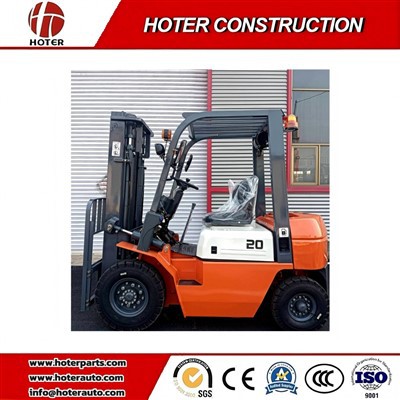
When the cold weather sets in, operating a diesel forklift presents a unique set of challenges. As a diesel forklift supplier, I've witnessed firsthand how the frigid temperatures can impact the performance and longevity of these powerful machines. In this blog, I'll share some essential precautions to ensure the safe and efficient use of diesel forklifts during the cold season.
1. Pre - Operational Checks
Before starting the forklift in cold weather, a thorough pre - operational check is crucial. Begin by inspecting the battery. Cold temperatures can significantly reduce a battery's capacity and performance. Ensure that the battery is fully charged and that the terminals are clean and tight. A weak battery may struggle to start the engine in cold conditions.
Next, check the coolant level. The coolant should be a proper mixture of antifreeze and water to prevent freezing. A frozen coolant can cause severe damage to the engine block. Refer to the forklift's manual for the recommended coolant mixture ratio.
The fuel system also requires special attention. Diesel fuel can gel in cold temperatures, blocking the fuel lines and filters. Use a winter - grade diesel fuel that has a lower cloud point. Additionally, consider adding a fuel additive designed to prevent gelling. Inspect the fuel lines for any signs of damage or leaks, as cold weather can make the hoses more brittle.
The tires are another important aspect. Cold weather can cause the tire pressure to drop. Check the tire pressure regularly and maintain it at the recommended level. Proper tire pressure ensures good traction, which is essential for safe operation on slippery surfaces.
2. Engine Starting
Starting a diesel engine in cold weather can be difficult. To make the process easier, use the glow plugs or intake heaters if your forklift is equipped with them. These devices pre - heat the air in the combustion chamber, making it easier for the diesel fuel to ignite.
Before attempting to start the engine, turn the ignition key to the "on" position for a few seconds to allow the glow plugs to heat up. Then, try to start the engine. If the engine doesn't start on the first attempt, wait a few minutes before trying again. Repeatedly cranking the engine without giving it time to rest can drain the battery.
In extremely cold conditions, it may be necessary to use an engine block heater. This device warms the engine block, making it easier to start the engine. Plug in the engine block heater a few hours before starting the forklift to ensure that the engine is warm enough to start.
3. Warm - Up Procedure
Once the engine is started, allow it to warm up for at least 5 - 10 minutes. This gives the engine oil time to circulate and reach the various components. Cold oil is thicker and may not provide adequate lubrication, which can lead to increased wear and tear on the engine.
During the warm - up period, avoid revving the engine excessively. High - speed operation before the engine is fully warm can cause damage to the engine components. Instead, let the engine idle at a low speed.
4. Operation in Cold Weather
When operating the forklift in cold weather, be aware of the reduced visibility. Snow, ice, and fog can make it difficult to see clearly. Use the forklift's lights and mirrors effectively to enhance visibility.
The cold weather can also affect the forklift's hydraulic system. The hydraulic fluid may become thicker, which can slow down the operation of the forks and other hydraulic components. If the hydraulic system seems sluggish, allow the forklift to warm up for a longer period or consider using a hydraulic fluid with a lower viscosity for cold weather.
Be cautious when driving on slippery surfaces. The cold can make the ground icy, reducing traction. Slow down and make wide turns to avoid skidding. Use the forklift's brakes gently to prevent locking up the wheels.
5. Maintenance During Cold Weather
Regular maintenance is even more important during the cold season. Check the engine oil level frequently. Cold weather can cause the oil to break down more quickly, so it may need to be changed more often.


Inspect the air filter regularly. Cold air can carry more dust and debris, which can clog the air filter. A clogged air filter can reduce engine performance and fuel efficiency.
Keep the forklift clean. Snow, ice, and salt can accumulate on the forklift, causing corrosion. Wash the forklift regularly and apply a protective coating to prevent rust.
6. Storage in Cold Weather
If the forklift is not going to be used for an extended period during the cold weather, proper storage is essential. Park the forklift in a dry, sheltered area. If possible, use a battery charger to maintain the battery's charge.
Drain the fuel tank if the forklift will be stored for a long time. This prevents the fuel from gelling and causing damage to the fuel system.
Conclusion
Operating a diesel forklift in cold weather requires extra care and attention. By following these precautions, you can ensure the safe and efficient operation of your forklift during the cold season. If you're in the market for a reliable diesel forklift, consider our 2.5Ton Diesel Forklift. It's designed to perform well in various weather conditions, including cold weather.
If you have any questions or are interested in purchasing a diesel forklift, feel free to reach out to us. We're here to help you find the right forklift for your needs.
References
- "Forklift Operator's Manual" - Manufacturer's guide for diesel forklifts
- "Cold Weather Maintenance Tips for Industrial Equipment" - Industry - specific maintenance resources